
This post started when I read a CBC Marketplace article about food from other countries masquerading as Canadian. For instance, the famous Habitant pea soup (almost forever associated with Quebec) is made in the USA. (small explanation – I prefer to read CBC online as I read faster than the announcers can talk, and faster than I can listen. Plus, it doesn’t interfere with what other folks are watching on TV.)
Marketplace introduced Marnie Scott from Winnipeg, who started her own website when she realized that she only THOUGHT she was buying Canadian. When she read the labels more closely, she discovered otherwise, but there was more to it than that.
She discovered that a food item may be packaged in Canada, but was produce halfway around the world. Well, we don’t grow oranges here. (Though I started a lemon tree from seeds, right here in my office. So far, it’s merely a conversation piece.) We do grow wheat here. Bread and cake and macaroni and lots more are made from wheat. It would be reasonable to expect they could be completely “Made in Canada.” Not necessarily – everything in them could be grown somewhere else and shipped here for making bread. That’s just a f’rinstance.
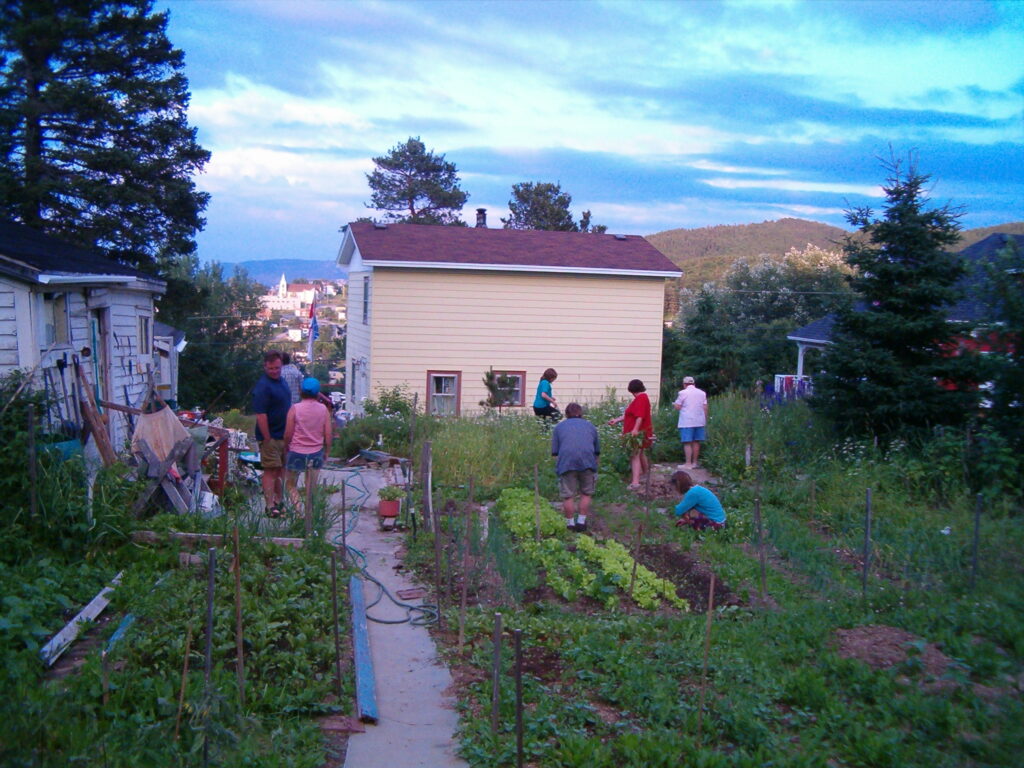
Family members weeding my mother’s garden almost a decade ago. As kids, we ate right from our back yards as much as possible.
A long time advocate for Canadian agriculture, Marnie knows how buying local helps local producers, and the local economy as a whole, so she decided to do something about food labels. Using Australia’s acronym C.O.O.L. for Country Of OriginLabelling, she calls her websitehttps://canadiancoolfoods.com
I took an inordinate amount of time exploring the site, to conclude that it’s a darned good idea. Only problem for me was that most of the food and producers that she lists is from Western Canada – which made sense. She lives in Winnipeg. So, being nosey, and somewhat proud of Atlantic Canada, I decided to suggest some additions to her collection of food Made in Canada. I figured I didn’t have to go far. I buy as local as I can. Or grow my own. Or grin and bear it.
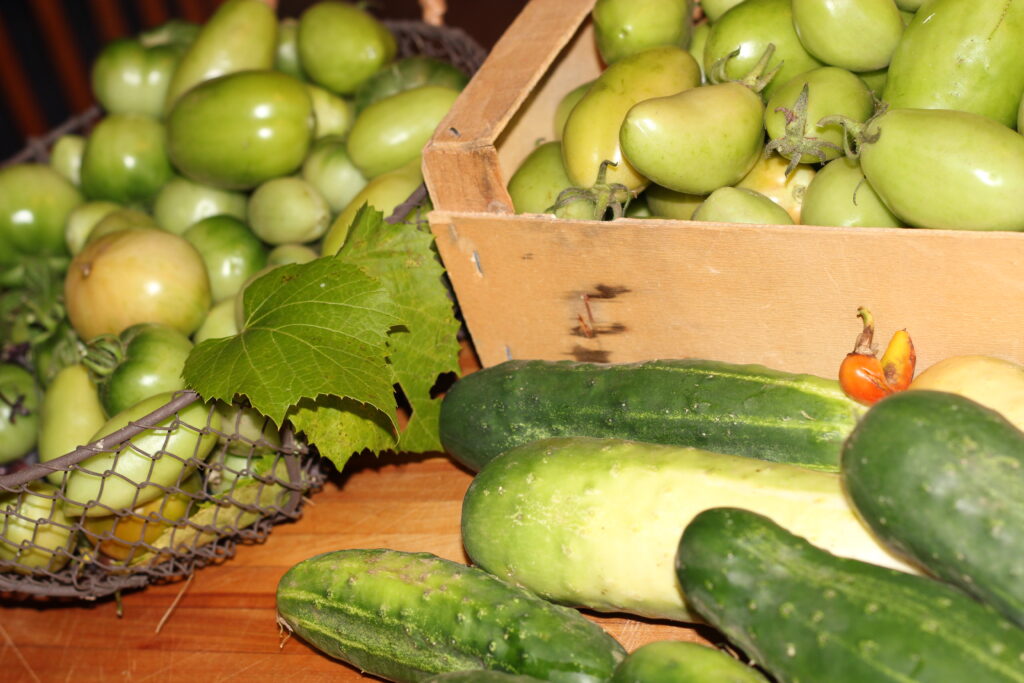
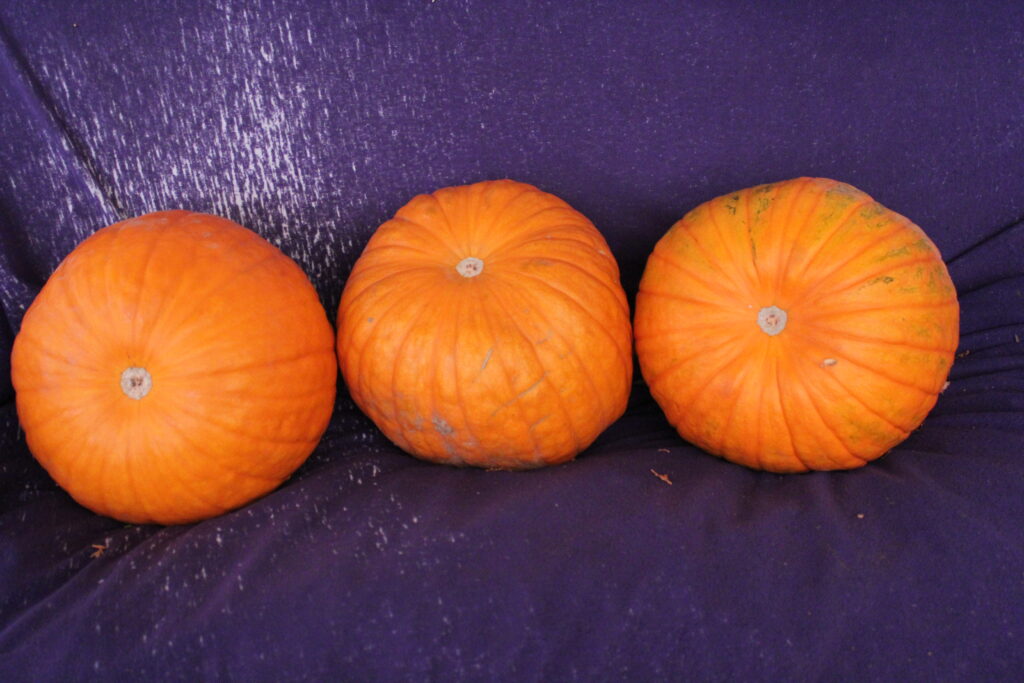
My September Harvest
Talk about going down a rabbit hole! Four hours later I had barely scratched the surface of food producers here in Nova Scotia – and I didn’t even look at PEI, New Brunswick or Newfoundland and Labrador – or some parts of Quebec that are almost Atlantic.
Half my brain said “You are a writer, not a food producer! How do you have any clout when it comes to shopping habits, or farming or fishing or anything else AT ALL?”
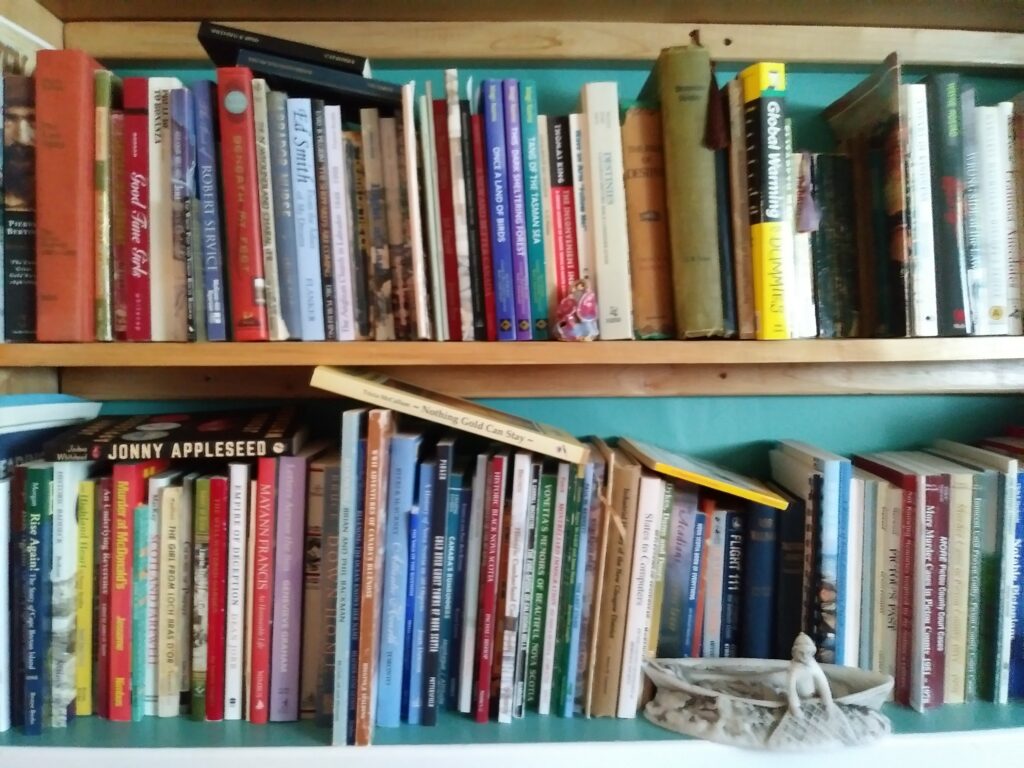
I mostly read Canadian, so why not mostly eat Canadian?
The other half whined “But I LOVE research! And lists! And EATING!” It’s true – one of my favorite activities is “finding out” stuff. Making lists is the only way to organize it. Even if I lose the lists, the act of “writing things down” helps me remember. Eating does come third. Although I recognize that food is essential to survival, while research and lists are not. Sometimes I skip meals because I am “finding out stuff.” Like today. It’s almost bed-time and I haven’t had supper yet.
I decided that even if Marnie wasn’t interested in my information, I would post it on my blog. It’s MY website, after all, and if I am moved to write about buying local food, then I can write about it. So there!
However! Never in my wildest dreams did I realize that there are so many local producers – and I live “in the country,” with farms all over the place. Unfortunately, their products are not all clustered together in grocery stores – but maybe that can change. I researched each producer or packager to find out if they were really Nova Scotian, and not owned by someone, or some big consortium, somewhere else. Then I sent the list to Marnie. Turns out she asks for permission from each producer to include them in her blog. Some of Nova Scotia’s biggest – and I mean BIGGEST, but for now, they remain ANONYMOUS – turned her down. Why? Maybe they thought it was a scam. Maybe the person answering the phone didn’t want to bother the boss. Who knows? Their loss.
Apparently, it’s not easy to discern who owns what, just by reading what companies decide to place on their company website and on the package labels. So a fish producer that I may believe is locally owned and operated, might be owned by someone in Boston or Miami or Hong Kong or Timbuktu. It serves their purpose to be thought local – and it’s quite likely that the plant and the workers are local and no one wants the branch to close. I get that. I would love to see more locally-owned fish-packers, – but it means a hefty investment in a global economy to start up.
The number of farms in Nova Scotia blew my mind. For instance, I know and love U-Picks near me. I like getting my berries fresh and for a bit less money, plus picking is a great opportunity to sit on my butt in the sunshine and accomplish something – while visiting with a lot of old friends. But I didn’t know just how many Upicks there are – and what U CAN PICK!
Nor did I realize the number of farm gate markets. I occasionally visit some, like Small Holdings Farm and another quite close by (I never remember the name but I can probably find it in the dark) when my garden lettuce wilts or bugs get into the cucumbers. But when I visited the Nova Scotia website “Meet your Farmer” I was gobsmacked. Not only do they operate U-picks and sell their harvest from their farms, they offer tours and a wide and wild variety of special events. In their spare time, I guess. Honestly, I don’t know when they sleep. And I know for a fact that they contribute a lot of volunteer time to their communities, and participate in industry-related organizations.
So here’s a toast to the farmers and the fishers, and the people who support their industry. It IS an industry, not a series of hobbies. There are hobby farmers, sure, but they are another kettle of fish… er, milk. Just like there are recreational fishers!
I won’t paste Marnie’s list, but here is the address. https://canadiancoolfoods.com
I am told that some products are not allowed to cross provincial borders to avoid contaminating us with food-borne diseases and pests – OR to compete with some influential provincial producers. BUT – If food can cross international borders so that our grocery stores are filled with food “from away” I suggest that policy be re-examined to mitigate problems, rather than prevent the flow of food within our own nation.
Just think of what special food we can share from here in Atlantic Canada: “storm chips!” (it comes first today because a forecasted storm missed us!) Fish ‘n’ brewis. White pudding. Brothers pepperoni. Lobsters. Fish of all kinds. Cod tongues. Mussels. Smoked salmon. Berries of every shape and flavour, wild and cultivated. Clams. Maple syrup. Birch syrup. Apples.
What else can we share? And – what have you not tried that you’d like to? Could be here at home, could be somewhere else in Canada – check Marnie’s list. Cabbage rolls? (a Christmas Eve favorite in my husband’s family) Poutine? Seal? Lamb? Goat? Oxtail? Beefsteak and Kidney Pie – I tried it and I didn’t like it, but it was canned, so not a fair experiment. Jigg’s Dinner, aka Boiled Dinner? (another Christmas favourite) Sauerkraut? The first time I ate pizza was in 1967 at Expo 67 in Montreal – our whole family shared a slice. I was not impressed by the Parmesan cheese on it. Now pizza is a favourite, and so is Parmesan – just not on pizza. And we added donairs to our takeout list. I ate a lot of seal as a child – and now it’s hard to get. I am not sure who around here even knows how to cook it.
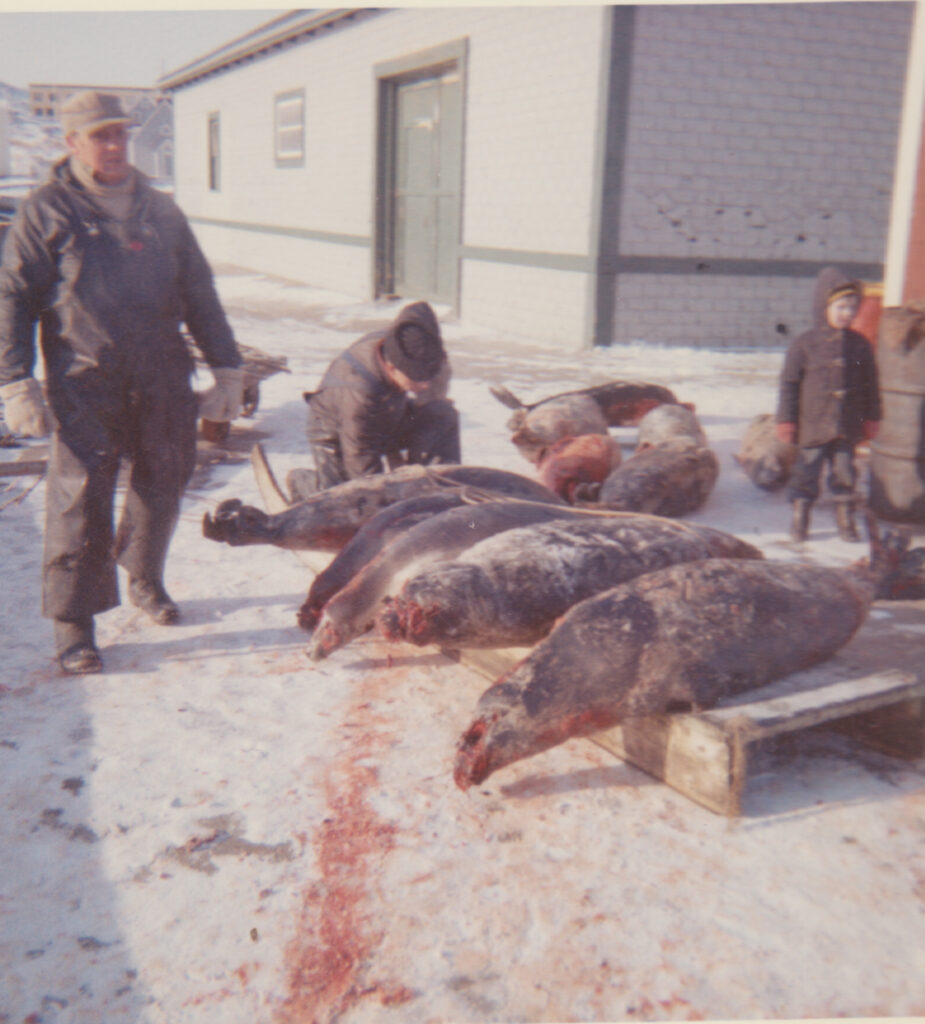
A successful seal hunt, Quebec North Shore, in the 1960s. Nourishing meals for a while for several families – and their sled dogs (that’s a dog sled (komatik) you see there) – and moccasins, coats, and more.
It may be time for an “Eat Across Canada Challenge.” One new food from one different place in Canada, once a week. There are 52 weeks in a year.
Are you with me? When do we start? Suggestions, anyone? Please let me know.
Marnie’s website includes a list of why buying Canadian food is a good idea other than the food economy and deliciousness – I commend it to your reading.
Marnie and I are now friends – and possibly very distant cousins. Our ancestors came from the same area in the Old Country, the borderlands of Scotland. Thank you, Scotland, for haggis. I don’t know if Italy is really home to pizza, but I think the country owns pepperoni and gnocchi. Thank you, Italy. And Germany. And Syria. And China. And so on. And our Indigenous people for maple syrup – can’t imagine life without it.
If food customs and their recipes can travel across a big ocean and halfway around the world, then surely we can buy and eat Canadian – and be proud of it.
I told you this post would be a bit different.

I totally agree with you Monica .
Local food is the best .
And we keep reading labels in the grocery
Store .
I can hardly wait for locally grown tomatoes ❤️